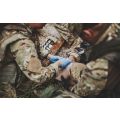

The Future of Phlebotomy Training: Preparing for a More Complex, Patient-Centered Landscape in 2026 and Beyond
Phlebotomy is no longer a behind-the-scenes technical role, it’s a frontline healthcare profession that intersects with patient experience, diagnostic accuracy, and risk mitigation. As we look toward 2026, the scope of phlebotomy is expanding, and so are the demands on educators, trainers, and healthcare systems responsible for developing competent, confident blood collection professionals.
From growing patient diversity to expanded point-of-care testing responsibilities, and from workforce shortages to digital integration, phlebotomy training is being reimagined for the realities of modern healthcare. This article explores key shifts impacting phlebotomy training and outlines how simulation is emerging as an essential method to close the gap between classroom learning and clinical success.
The Expanding Scope of the Phlebotomist in 2026
Today’s phlebotomist does far more than draw blood. Increasingly, they are expected to:
- Perform patient assessments and recognize complications (e.g., syncope, hematomas)
- Navigate language barriers and health literacy gaps
- Adhere to increasingly strict infection prevention protocols
- Operate near-bedside testing devices (POCT)
- Interact with EHR systems and specimen tracking tools
In this evolving landscape, procedural competence alone isn’t enough. Emotional intelligence, adaptability, and situational awareness are essential skills that must be integrated into training programs.
Simulation Bridges the Gap Between Lab and Live Patient
Simulation-based training is rapidly gaining adoption in phlebotomy education. Why? Because it:
- Reduces student anxiety before clinical rotations
- Builds muscle memory and procedural consistency
- Enables safe repetition of high-risk or uncommon scenarios (e.g., pediatric or geriatric patients, difficult veins)
- Provides controlled exposure to communication challenges
- Prepares students for unexpected complications in real-world practice
High-fidelity arms and simulation manikins that allow for varied vein placement, rolling veins, and flashback response are now considered best practice for program directors looking to elevate readiness.
Addressing Common Fail Points in Early-Career Phlebotomists
According to the National Accrediting Agency for Clinical Laboratory Sciences (NAACLS), common issues flagged by clinical affiliates include:
- Inadequate patient ID verification
- Poor post-venipuncture care
- Improper tube order of draw
- Hesitation or poor confidence with difficult sticks
Simulation helps address these by embedding them into deliberate practice modules, debriefs, and competency sign-offs. Programs using simulation report reduced remediation rates and faster progression to clinical autonomy.
Emphasizing Patient Experience and Trust
A 2023 study by the Agency for Healthcare Research and Quality (AHRQ) showed that patient trust during phlebotomy encounters directly influenced their satisfaction with the overall care experience, especially in outpatient settings.
Simulated patient interaction scenarios, especially those involving pediatric, anxious, or language-diverse patients, help students develop not just technical skill, but bedside manner and confidence.
Preparing for Digital and Regulatory Integration
Phlebotomists are increasingly expected to:
- Document in EHR systems accurately
- Track specimens via barcoding or RFID
- Comply with revised CLSI venipuncture standards (2023 update)
- Support infection control audits (e.g., glove changes, hand hygiene between draws)
Simulation that includes barcode scanning, PPE compliance, and documentation workflows ensures students are practice-ready, not just procedure-ready.
Conclusion: Simulation Is the Future of Phlebotomy Readiness
As healthcare evolves, so too must our approach to phlebotomy training. Simulation is not just a supplement, it’s an essential pillar for preparing students to perform confidently, safely, and compassionately in real-world care environments. Programs that embed high-fidelity simulation early and often will produce graduates who are more trusted, employable, and impactful.
WorldPoint supports the next generation of blood draw education with premium simulation tools, teaching aids, and curriculum support designed for the complexity and opportunity of modern phlebotomy.
References
- NAACLS, Clinical Affiliate Feedback Reports, 2023–2024
- CLSI, GP41-A7 Collection of Diagnostic Venous Blood Specimens, 2023
- AHRQ, Patient Perception of Phlebotomy Care Study, 2023
- Journal of Clinical Laboratory Science, Vol. 36, Issue 1, 2024
- CDC, Blood Collection and Infection Control Guidance, 2024
Disclaimer: Portions of this content were created using AI technology and reviewed to ensure accuracy, clarity, and alignment with current industry standards.