

WorldPoint's Blog

WorldPoint Blog

 
Featured posts
Allied Health Training Equipment: How to Build a Future-Ready Simulation Lab 
professional woman reviewing document with medical workers
Simulation Center Accreditation Checklist: Your Guide to Compliance & Excellence
Preventing Patient Safety Incidents in Long-Term Care: How Simulation-Based Training Saves Lives
Respiratory Therapy Training Equipment for Airway and Ventilator Mastery
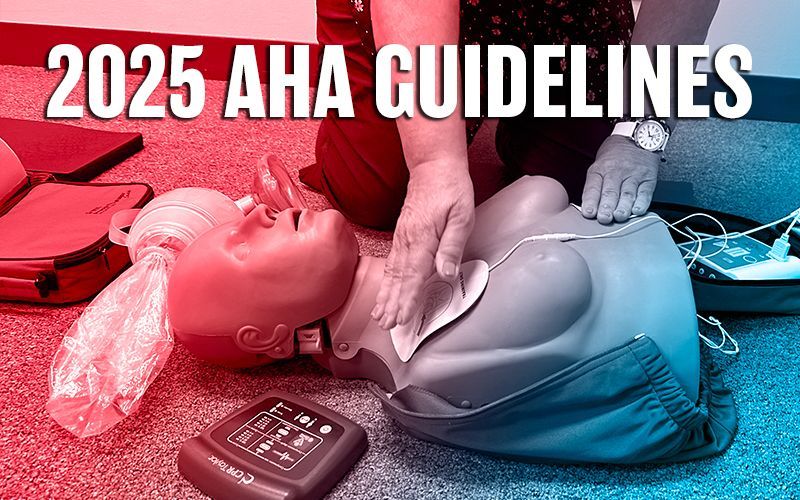
2025 AHA CPR & ECC Guidelines: Key Updates, Insights, and Implications for the Future of Resuscitation Training
From Classroom to Career: How Hands-On Simulation Boosts Allied Health Graduate Job Readiness
From Training to Safety Operations: A Simulation-First Blueprint for Hospital Systems
PRESS RELEASE: The CPR Ready Generation™ Launches to Change What Happens in the Moments That Matter Most
From Training to Action: The Missing Link in CPR Education
May 15, 2026
2 view(s)

From Training to Action: The Missing Link in CPR Education

CPR training gives students the knowledge and skills to respond in an emergency—but knowledge alone doesn’t always translate into action. Lasting readiness is built through repetition, peer influence, and culture, helping students move from simply being trained to genuinely feeling prepared to step forward when it matters most.

Why Do People Still Hesitate to Perform CPR? (Even When They’re Trained)
May 7, 2026
5 view(s)

Why Do People Still Hesitate to Perform CPR? (Even When They’re Trained)

Over the past two decades, CPR education in schools has expanded significantly. Today, most U.S. states have laws encouraging or requiring CPR training for high school students, and millions are trained every year. This is real progress. But in many schools, CPR training happens once and may not be revisited again.

How to Justify Capital Investment in Laparoscopic and VR Surgical Simulation
May 7, 2026
2 view(s)

How to Justify Capital Investment in Laparoscopic and VR Surgical Simulation

Investing in simulation technology is one of the most strategic moves a healthcare education program can make. But convincing budget committees to allocate capital requires more than saying “it’s a good tool.” Leaders need evidence-based justification.

The Evolution of Laparoscopic Training: From Box Trainers to Data-Driven Surgical Simulation
May 6, 2026
3 view(s)

The Evolution of Laparoscopic Training: From Box Trainers to Data-Driven Surgical Simulation

Minimally invasive surgery has transformed modern surgical practice. Over the past three decades, procedures like laparoscopic cholecystectomy and appendectomy have replaced many open techniques due to smaller incisions, faster recoveries, and reduced postoperative pain. But mastering the unique motor skills required for laparoscopy has historically posed challenges for surgical educators and trainees alike — especially given current limits on resident hours and clinical exposure.

A growing body of evidence shows that simulation-based training is now essential for developing complex laparoscopic and robotic surgical skills, not just complementary to clinical experience.

Why Hybrid Laparoscopic and VR Surgical Simulation Is the Next Frontier
May 5, 2026
5 view(s)

Why Hybrid Laparoscopic and VR Surgical Simulation Is the Next Frontier

Simulation for surgical training comes in many forms — from physical box trainers to virtual environments. But hybrid laparoscopic + VR systems are rapidly becoming the standard for programs focused on measurable outcomes and real procedural readiness.

Here’s why.

Box Trainers, VR Simulation, and the Future of Laparoscopic Training - How Modern Surgical Education Is Evolving
May 4, 2026
13 view(s)

Box Trainers, VR Simulation, and the Future of Laparoscopic Training - How Modern Surgical Education Is Evolving

The rapid evolution of surgical simulation technology is reflected in the growth of the industry itself.

The global surgical simulation market was valued at roughly $553 million in 2024 and is projected to exceed $1.4 billion by 2033, fueled by rising demand for minimally invasive surgery training and advances in simulation technology.

Within that broader category, laparoscopic simulators represent one of the fastest-growing segments.

PRESS RELEASE: The CPR Ready Generation™ Launches to Change What Happens in the Moments That Matter Most
April 20, 2026
90 view(s)

PRESS RELEASE: The CPR Ready Generation™ Launches to Change What Happens in the Moments That Matter Most

A new student-led movement aims to close the gap between CPR training and real-world action—starting in schools and designed to scale nationwide.

2026 Vendor Spotlight on Erler-Zimmer
February 27, 2026
29 view(s)

2026 Vendor Spotlight on Erler-Zimmer

The First 10 Minutes of a Mass Casualty Incident: What Actually Determines Survival?
February 17, 2026
44 view(s)

The First 10 Minutes of a Mass Casualty Incident: What Actually Determines Survival?

For law enforcement leaders, training commanders, emergency managers, and first responders, this reality has direct operational implications. The agencies that perform well during a mass casualty incident are rarely the ones with the longest written plans. They are the ones who have engineered performance into the first critical minutes.

This article examines what modern research, national data, and recent guideline updates reveal about early survival determinants in mass casualty response — and why multi-agency planning must shift from policy compliance to measurable execution.

When Linemen Are First Responders: Rescue, AED Readiness, and Simulation That Saves Lives
February 6, 2026
42 view(s)

When Linemen Are First Responders: Rescue, AED Readiness, and Simulation That Saves Lives

From electrical shock and cardiac arrest to trauma and falls, linemen face some of the highest on-the-job medical risks. According to the U.S. Bureau of Labor Statistics, utility line work remains among the most dangerous occupations, with fatalities caused by electrocution, falls, and struck-by injuries. (BLS, 2023)