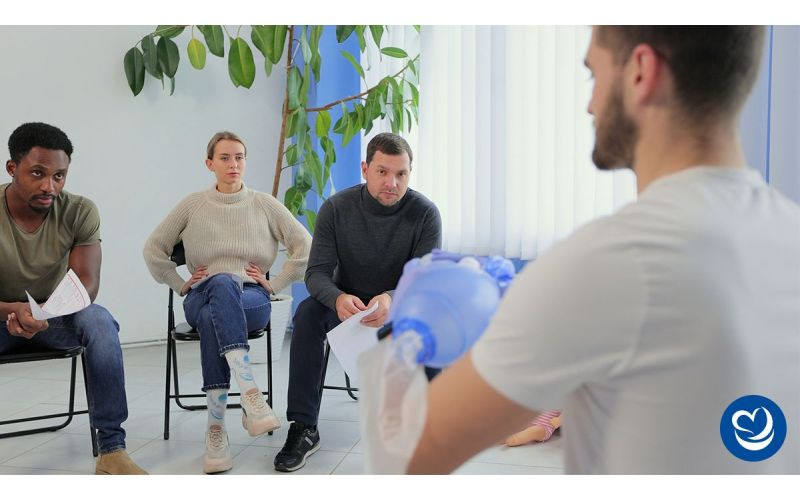
Bag Valve Mask (BVM) CPR Techniques Training Guide
In emergency situations, immediate and effective CPR (Cardiopulmonary Resuscitation) can be a crucial factor in saving lives. One of the essential tools in resuscitation is the Bag Valve Mask (BVM), also known as a manual resuscitator. Understanding how to use a BVM correctly is essential for healthcare providers trained in CPR and Basic Life Support (BLS). This guide will provide an overview of BVM CPR techniques, including what a BVM is, how to prepare for its use, the techniques involved, and considerations for practice and certification.
Key Components and Training Tools for BVM CPR Techniques
Resuscitators & Bag Valve Masks
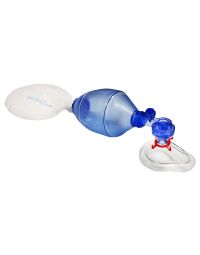
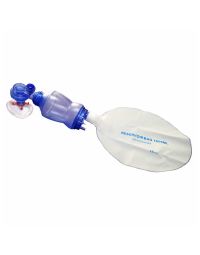
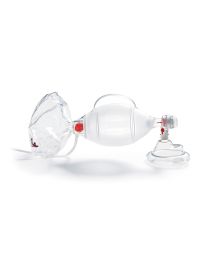
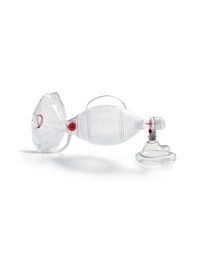
Resuscitators, commonly referred to as Bag Valve Masks (BVMs), are handheld devices used to provide positive pressure ventilation to patients who are not breathing or are experiencing breathing difficulties. They consist of a self-inflating bag, a non-rebreathing valve, and a mask. BVMs are an essential tool in CPR, allowing rescuers to manually provide breaths to a patient in need.
Practi-Mask BVM
The Practi-Mask BVM is a training device designed to simulate the functionality of a real BVM. It is used in CPR training to teach individuals how to safely use a BVM in emergency situations. The Practi-Mask BVM is an invaluable tool for CPR instructors and BLS instructors, as it allows students to practice ventilation techniques in a controlled environment.
CPR Barrier Devices
CPR barrier devices, such as pocket masks and face shields, are used to provide a barrier between the rescuer and the patient during CPR. These devices help prevent the transmission of infectious diseases and provide a more effective seal during rescue breathing. CPR barrier devices should be used whenever CPR is performed to ensure the rescuer and patient's safety.
Ambu Bags in Emergency Care
Ambu bags, also known as self-inflating bags, are commonly used in emergency care settings to provide manual ventilation to patients. They are similar in function to BVMs but are designed for single-patient use. Ambu bags are an essential tool in emergency care, allowing healthcare providers to provide ventilation quickly and effectively to patients in need.
Understanding What a Bag Valve Mask Is
A Bag Valve Mask (BVM) is a handheld device used to provide positive pressure ventilation to patients not breathing or experiencing breathing difficulties. It consists of a self-inflating bag, a non-rebreathing valve, and a mask. BVMs are commonly used in CPR and other emergency situations to manually provide breaths to a patient in need.
Preparing for BVM CPR
Before using a BVM, it is essential to ensure that the device is clean, assembled correctly, and functioning properly. The mask should be securely attached to the bag, and the non-rebreathing valve should be in place. Rescuers should also be familiar with the proper technique for using a BVM and should practice using the device regularly to maintain proficiency.
BVM CPR Techniques
Using a BVM involves several key techniques to ensure effective ventilation. The rescuer should position themselves at the head of the patient and ensure a proper seal between the mask and the patient's face. The rescuer then squeezes the bag to deliver a breath, making sure to watch for chest rise. Ventilation should be delivered at a rate of about 1 breath every 5-6 seconds for adults and children and 1 breath every 3-5 seconds for infants.
How to Practice and Receive Certification
To practice BVM CPR techniques and receive certification, individuals can enroll in CPR training or BLS training courses offered by organizations such as the Red Cross or the American Heart Association. These courses typically include hands-on practice with BVMs and other CPR equipment, instruction on proper technique and certification upon completion.
Legal & Ethical Considerations
It is crucial to remember that using a BVM while performing CPR should only be done by individuals who are trained and certified in CPR and/or BLS. Performing BVM techniques without proper training can lead to severe injury or even death. Additionally, there are legal and ethical considerations to be aware of, including the importance of following local laws and guidelines regarding CPR and emergency care.
In conclusion, understanding how to use a Bag Valve Mask (BVM) is an essential skill for healthcare providers trained in CPR and/or BLS. By following proper techniques and guidelines, rescuers can effectively provide ventilation to patients in need and improve outcomes in emergency situations. Practicing with a BVM regularly and maintaining certification ensures that rescuers are prepared to act quickly and effectively when seconds count.
Have any questions? Need a quote?
WorldPoint has 25+ years of experience as a strategic partner to CPR and healthcare trainers, providing them with high-quality products, resources, and knowledge to better train both healthcare professionals and their communities to live long and healthy lives. At WorldPoint, our mission is to:
- Provide high-quality healthcare and CPR products that train people around the world to save lives
- Support healthcare professionals, first responders & the community
- Dedicate ourselves to raising awareness around sudden cardiac arrest
- Align ourselves with the best organizations, like Illinois Heart Rescue, and Citizen CPR Foundation and more
We are passionate about making a difference through high-quality CPR and healthcare training in lay-responder, pre-hospital, & in-hospital settings. We want to help you represent your community, champion health equity, and save more lives.
Chat with us on our website, www.worldpoint.com, send us an email at [email protected], or give us a call at 888-322-8350. We look forward to answering all your questions!
We are WorldPoint. And we are at the heart of your training.