
WorldPoint Blog

 
Featured posts
Allied Health Training Equipment: How to Build a Future-Ready Simulation Lab 
professional woman reviewing document with medical workers
Simulation Center Accreditation Checklist: Your Guide to Compliance & Excellence
Preventing Patient Safety Incidents in Long-Term Care: How Simulation-Based Training Saves Lives
Respiratory Therapy Training Equipment for Airway and Ventilator Mastery
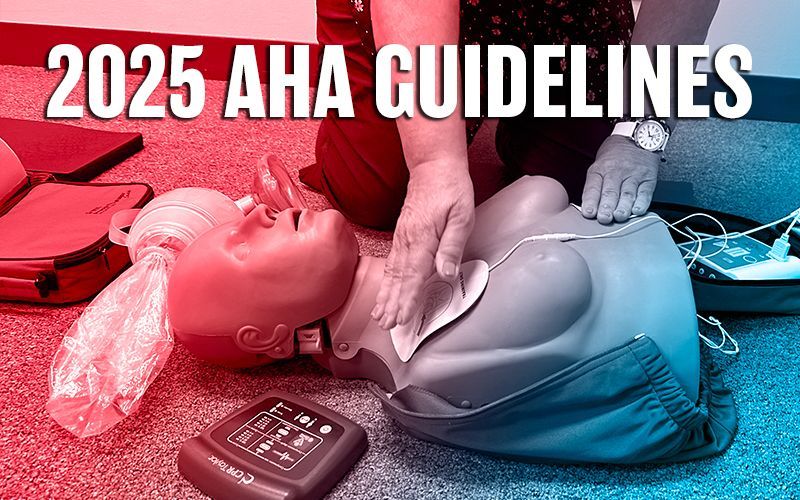
2025 AHA CPR & ECC Guidelines: Key Updates, Insights, and Implications for the Future of Resuscitation Training
From Classroom to Career: How Hands-On Simulation Boosts Allied Health Graduate Job Readiness
From Training to Safety Operations: A Simulation-First Blueprint for Hospital Systems
PRESS RELEASE: The CPR Ready Generation™ Launches to Change What Happens in the Moments That Matter Most
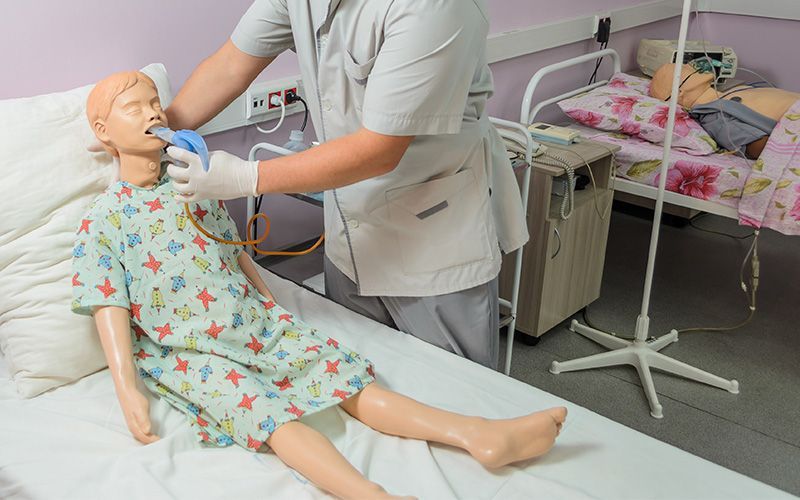
Why Advanced Simulation Training Is Transforming CPR and Airway Education in 2026
May 21, 2026
4 view(s)

Why Advanced Simulation Training Is Transforming CPR and Airway Education in 2026

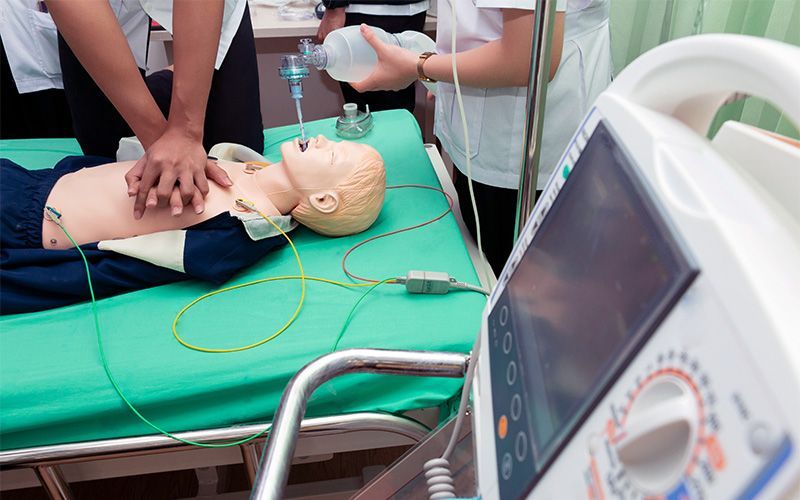
Healthcare organizations are under growing pressure to train clinicians faster while still ensuring competency and patient safety. As a result, simulation-based education has become one of the most important tools in modern healthcare training.

Why Smart CPR Feedback Technology Is Becoming the New Standard in Healthcare Training
May 20, 2026
3 view(s)

Why Smart CPR Feedback Technology Is Becoming the New Standard in Healthcare Training

Healthcare organizations are no longer satisfied with CPR training that relies solely on instructor observation.

Across hospitals, EMS systems, nursing schools, and community training programs, educators are shifting toward smart CPR technology that provides measurable performance data in real time.

The reason is simple: CPR quality directly impacts survival.

Why Bag Valve Masks Still Matter in Modern Emergency Medicine
May 20, 2026
4 view(s)

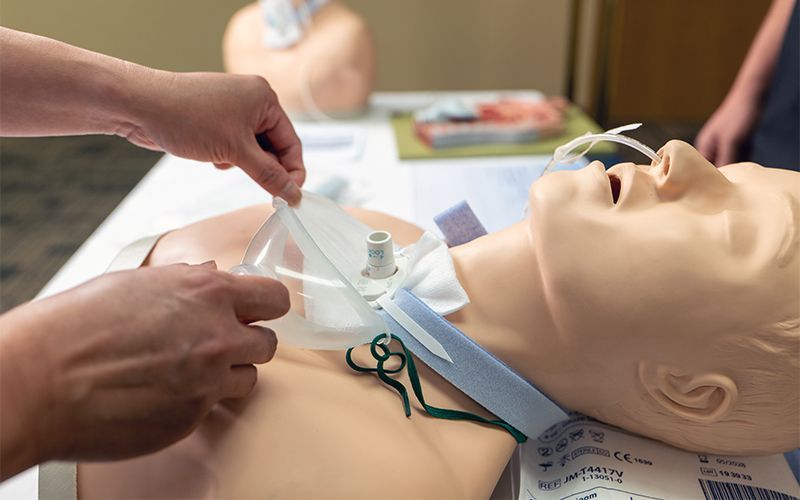
Why Bag Valve Masks Still Matter in Modern Emergency Medicine

In emergency medicine, few tools are as universally recognized — or as consistently relied upon — as the bag valve mask.

Whether it is a cardiac arrest call in the field, a respiratory emergency in the emergency department, or airway support during patient transport, the BVM remains one of the most important devices in emergency care.

And for decades, Ambu has been one of the most trusted names associated with it.

The Growing Importance of Pediatric and Infant CPR Training
May 20, 2026
3 view(s)

The Growing Importance of Pediatric and Infant CPR Training

Hospitals, EMS agencies, nursing programs, schools, and community organizations are all investing more heavily in pediatric-focused simulation training designed to improve confidence and emergency preparedness.

Why Students Are the Key to Changing CPR Outcomes
May 20, 2026
11 view(s)

Why Students Are the Key to Changing CPR Outcomes

CPR awareness and training have built an important foundation—but awareness alone isn’t creating consistent action. Real change happens when students don’t just learn CPR, but begin to see it as part of their identity, their culture, and something they actively carry forward through peer influence and shared ownership.

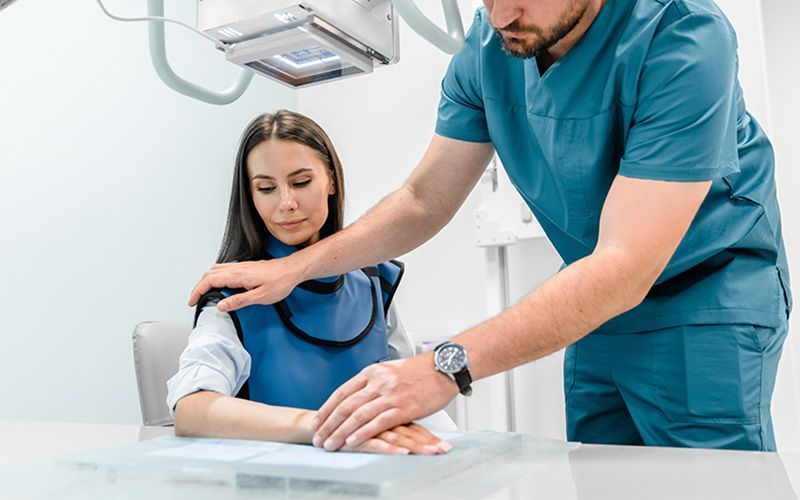
Is Your Radiology Program Future-Ready? A New Assessment Tool for Radiologic Technology Educators
May 18, 2026
5 view(s)

Is Your Radiology Program Future-Ready? A New Assessment Tool for Radiologic Technology Educators

Most radiologic technology programs are strong in technical instruction. Students learn positioning, protocols, and equipment operation. But employers are increasingly clear that technical competence alone is no longer enough.

From Training to Action: The Missing Link in CPR Education
May 15, 2026
7 view(s)

From Training to Action: The Missing Link in CPR Education

CPR training gives students the knowledge and skills to respond in an emergency—but knowledge alone doesn’t always translate into action. Lasting readiness is built through repetition, peer influence, and culture, helping students move from simply being trained to genuinely feeling prepared to step forward when it matters most.

Why Do People Still Hesitate to Perform CPR? (Even When They’re Trained)
May 7, 2026
7 view(s)

Why Do People Still Hesitate to Perform CPR? (Even When They’re Trained)

Over the past two decades, CPR education in schools has expanded significantly. Today, most U.S. states have laws encouraging or requiring CPR training for high school students, and millions are trained every year. This is real progress. But in many schools, CPR training happens once and may not be revisited again.

How to Justify Capital Investment in Laparoscopic and VR Surgical Simulation
May 7, 2026
3 view(s)

How to Justify Capital Investment in Laparoscopic and VR Surgical Simulation

Investing in simulation technology is one of the most strategic moves a healthcare education program can make. But convincing budget committees to allocate capital requires more than saying “it’s a good tool.” Leaders need evidence-based justification.

The Evolution of Laparoscopic Training: From Box Trainers to Data-Driven Surgical Simulation
May 6, 2026
4 view(s)

The Evolution of Laparoscopic Training: From Box Trainers to Data-Driven Surgical Simulation

Minimally invasive surgery has transformed modern surgical practice. Over the past three decades, procedures like laparoscopic cholecystectomy and appendectomy have replaced many open techniques due to smaller incisions, faster recoveries, and reduced postoperative pain. But mastering the unique motor skills required for laparoscopy has historically posed challenges for surgical educators and trainees alike — especially given current limits on resident hours and clinical exposure.

A growing body of evidence shows that simulation-based training is now essential for developing complex laparoscopic and robotic surgical skills, not just complementary to clinical experience.